


01/
Visible change
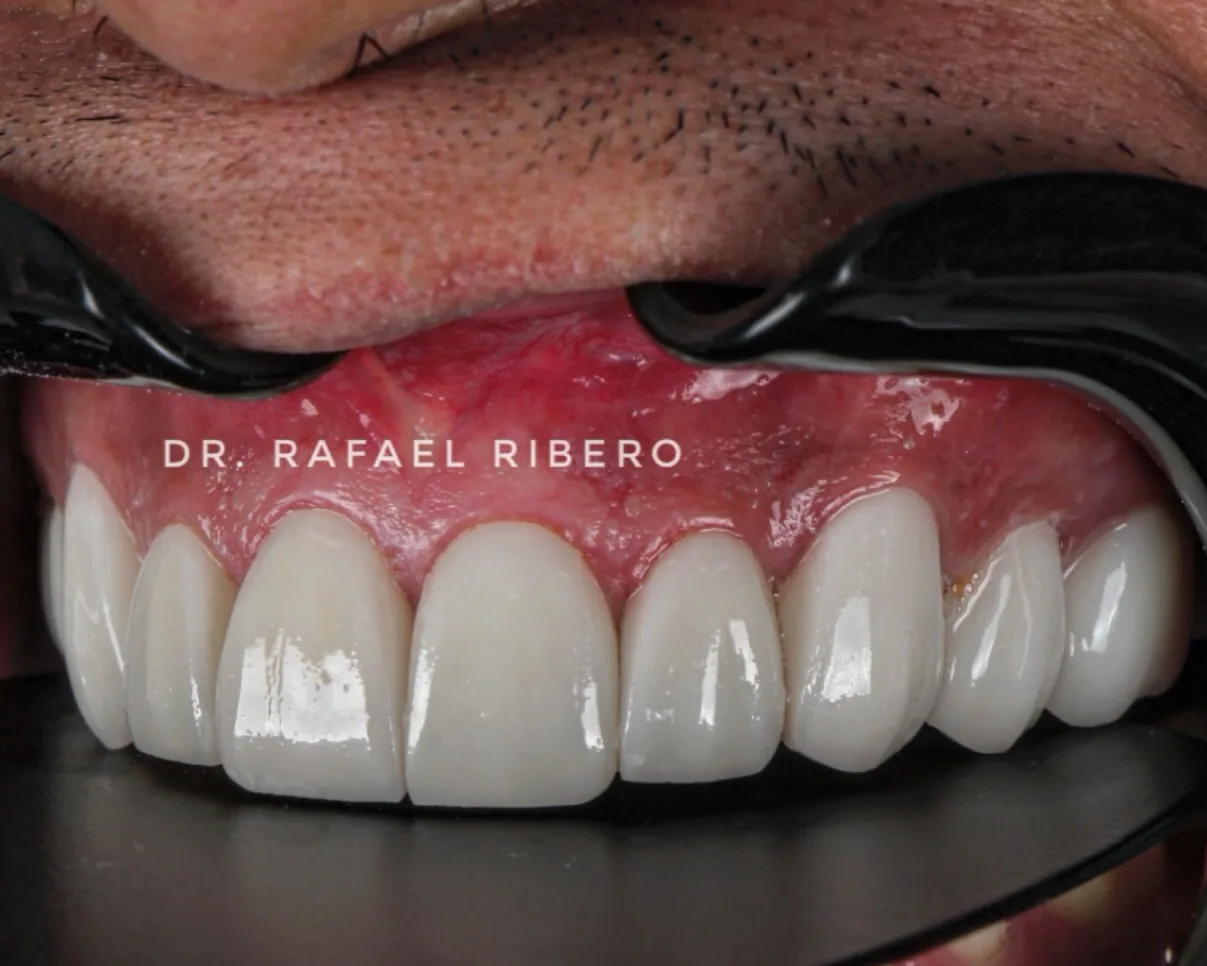
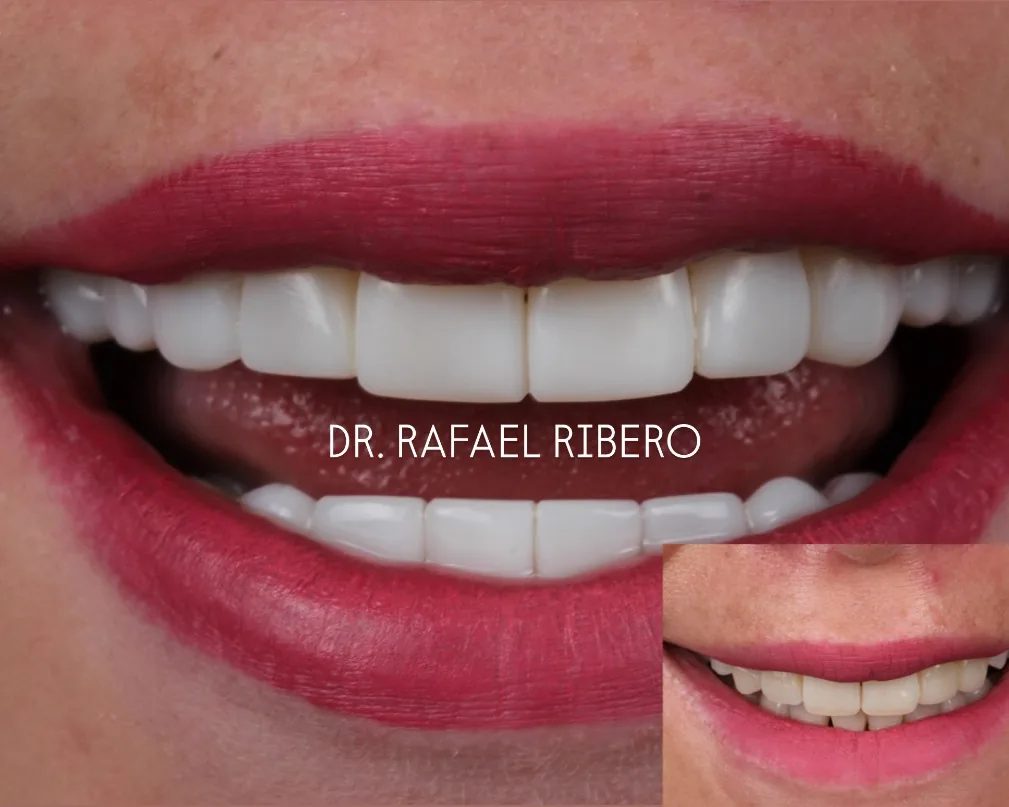
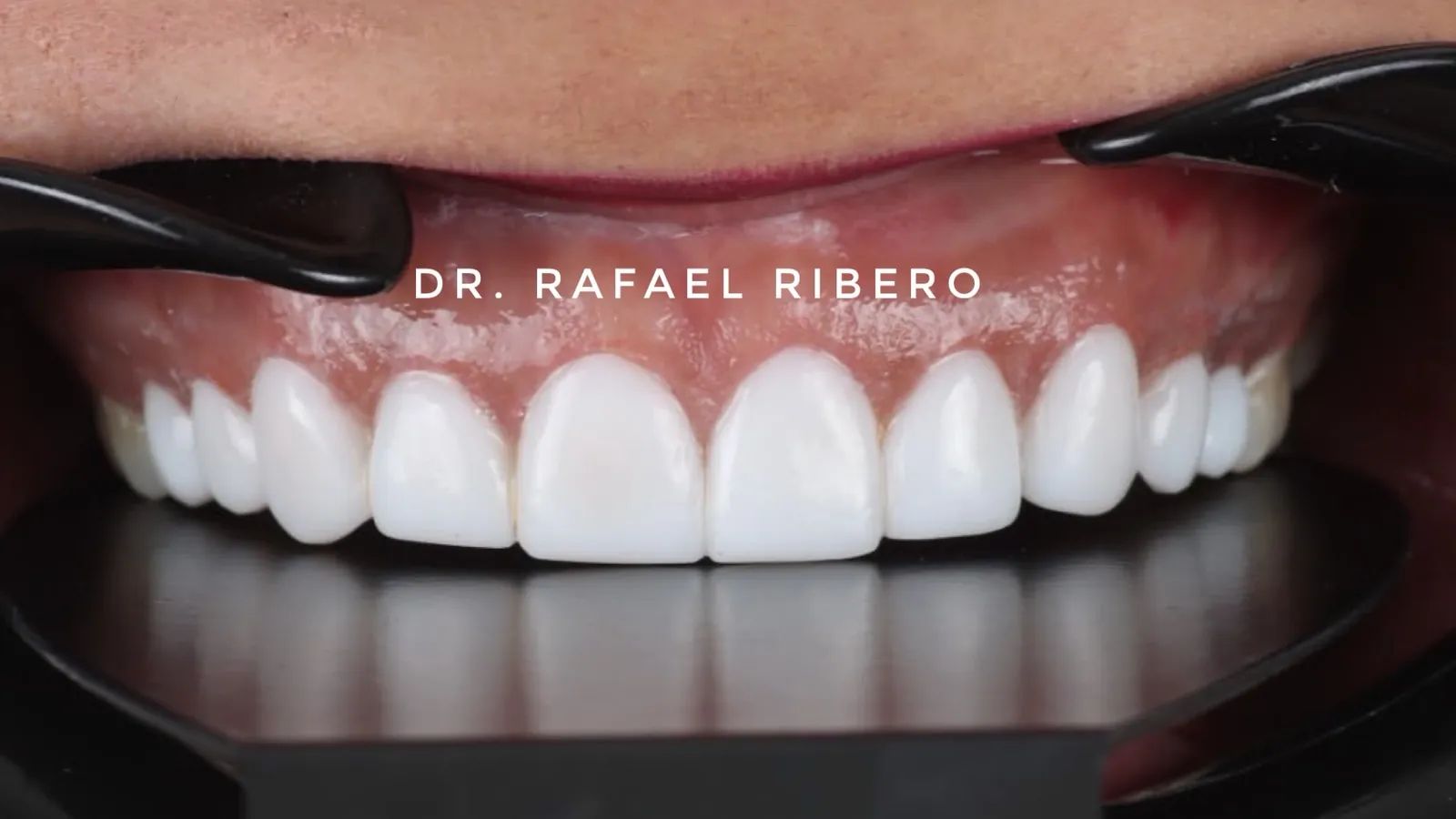
A few millimeters of gum change the proportion of the whole smile.
Gum contouring
When too much gum shows as you smile or its edge is uneven, we give it a more balanced contour. It is the detail that lifts any design.
What it is
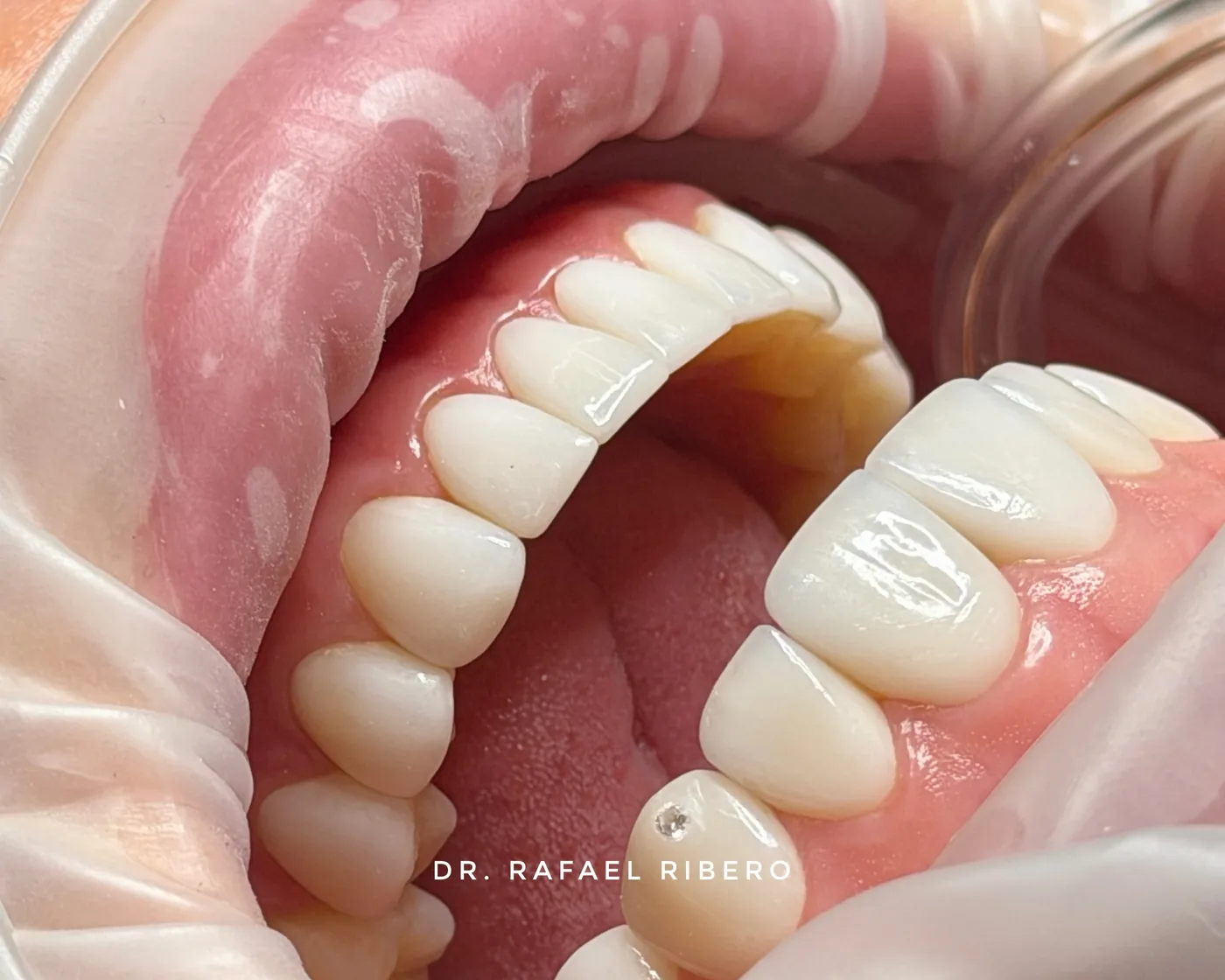
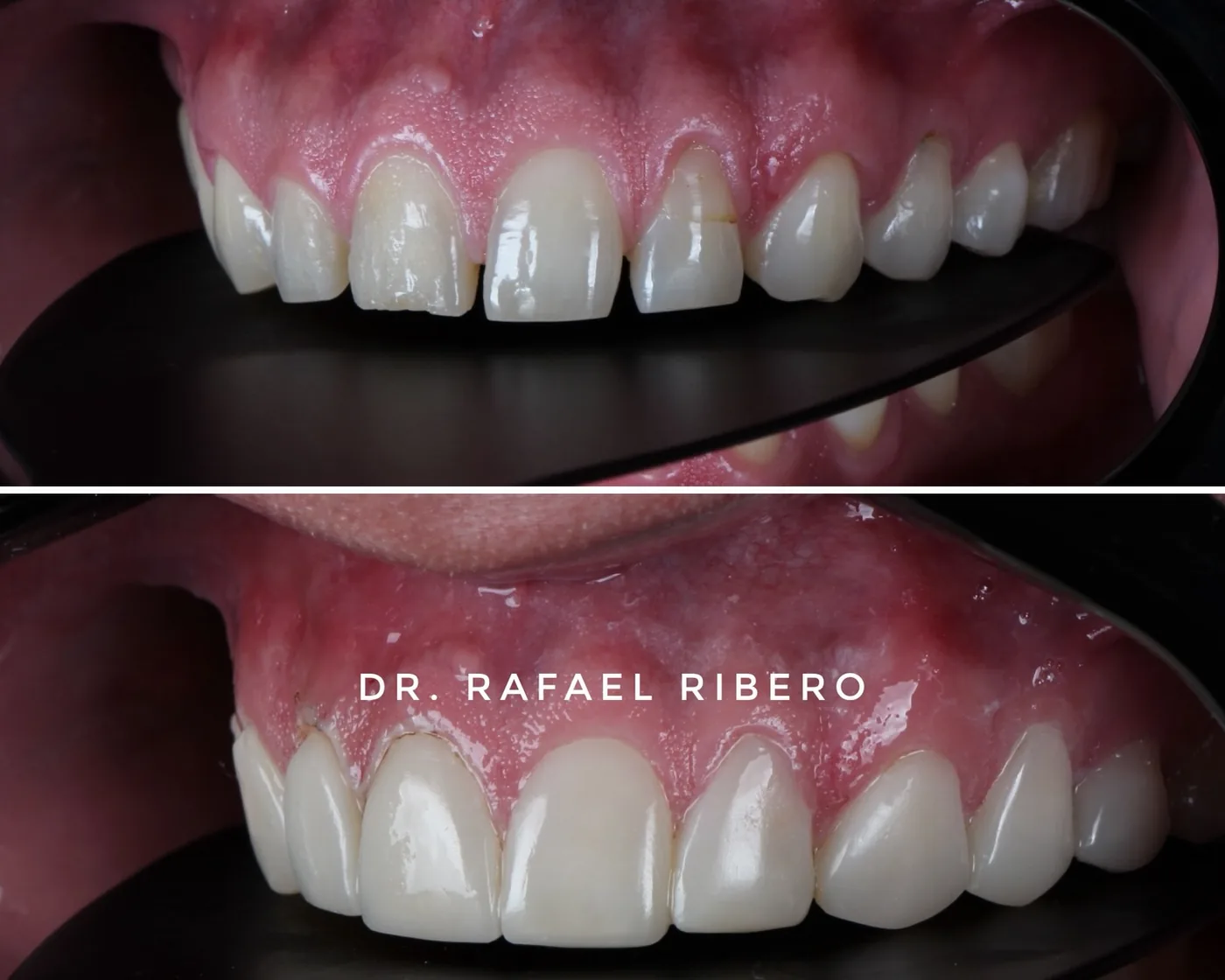
Gingivoplasty is a procedure that gives the gum a more balanced contour. The edge is reshaped so the teeth show their true size and the gum line is symmetrical.
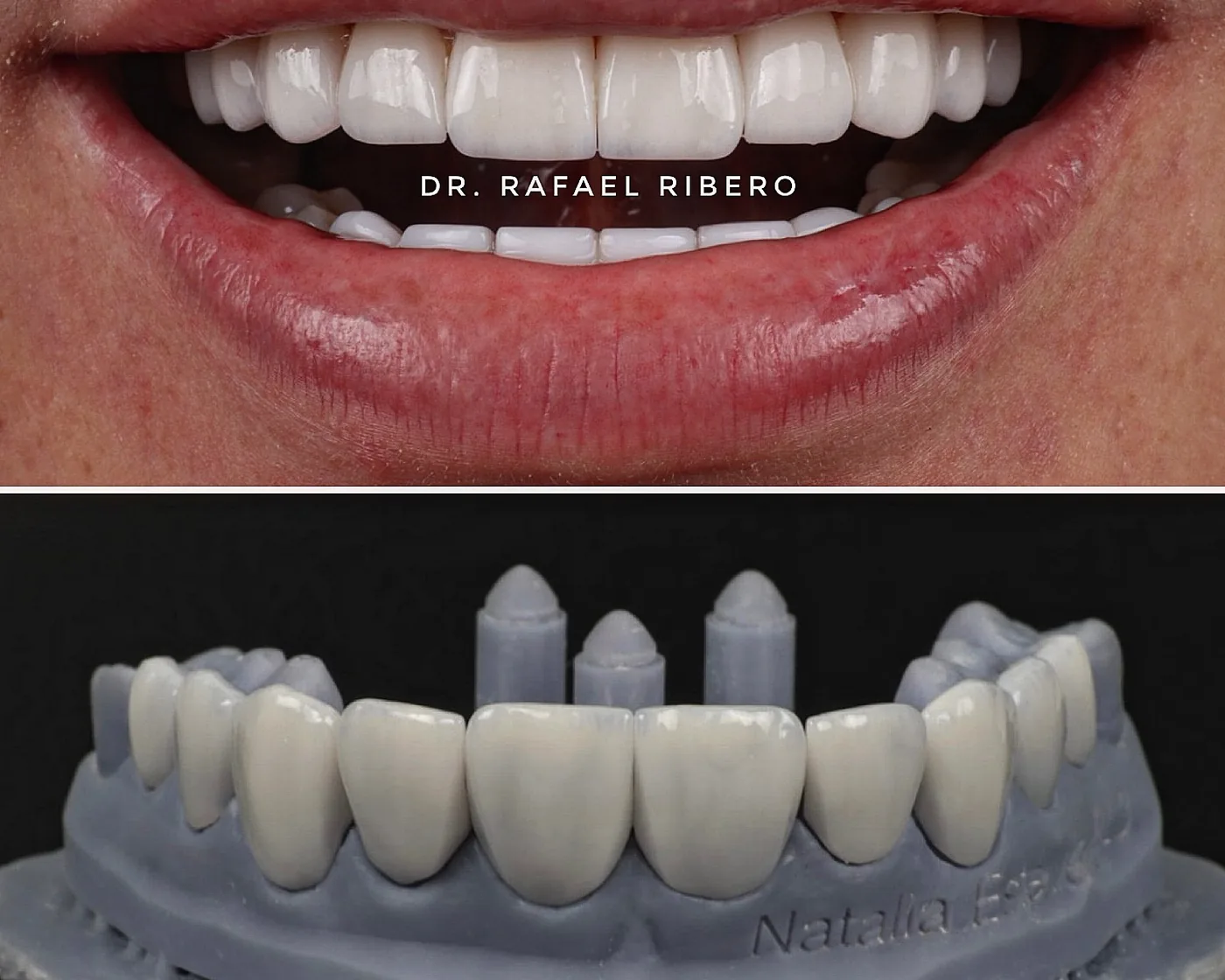
Sometimes trimming the gum and adding a few composite edges achieves what the patient thought needed ten veneers. That is why we always assess it before proposing a design.
It is for you if
Why with us
01/
A few millimeters of gum change the proportion of the whole smile.
02/
Outpatient, with local anesthesia.
03/
It can be the only treatment or part of a micro design.
04/
We measure the tooth-to-gum ratio before proposing anything.
Process
We measure the proportion between your teeth and your gum.
We define the new edge, tooth by tooth.
We reshape the gum under local anesthesia.
Careful hygiene and a soft diet for the first days.
We review the result and, if applicable, continue with the design.
Real cases
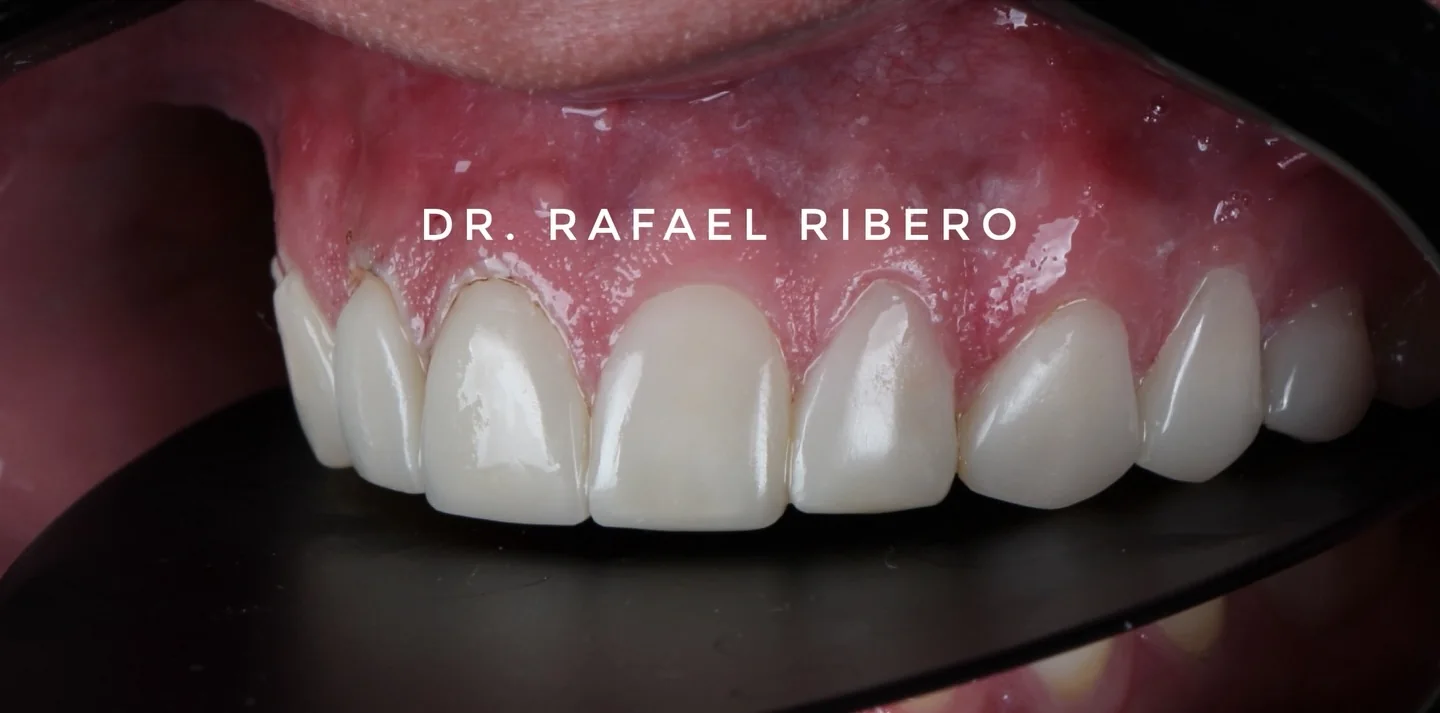
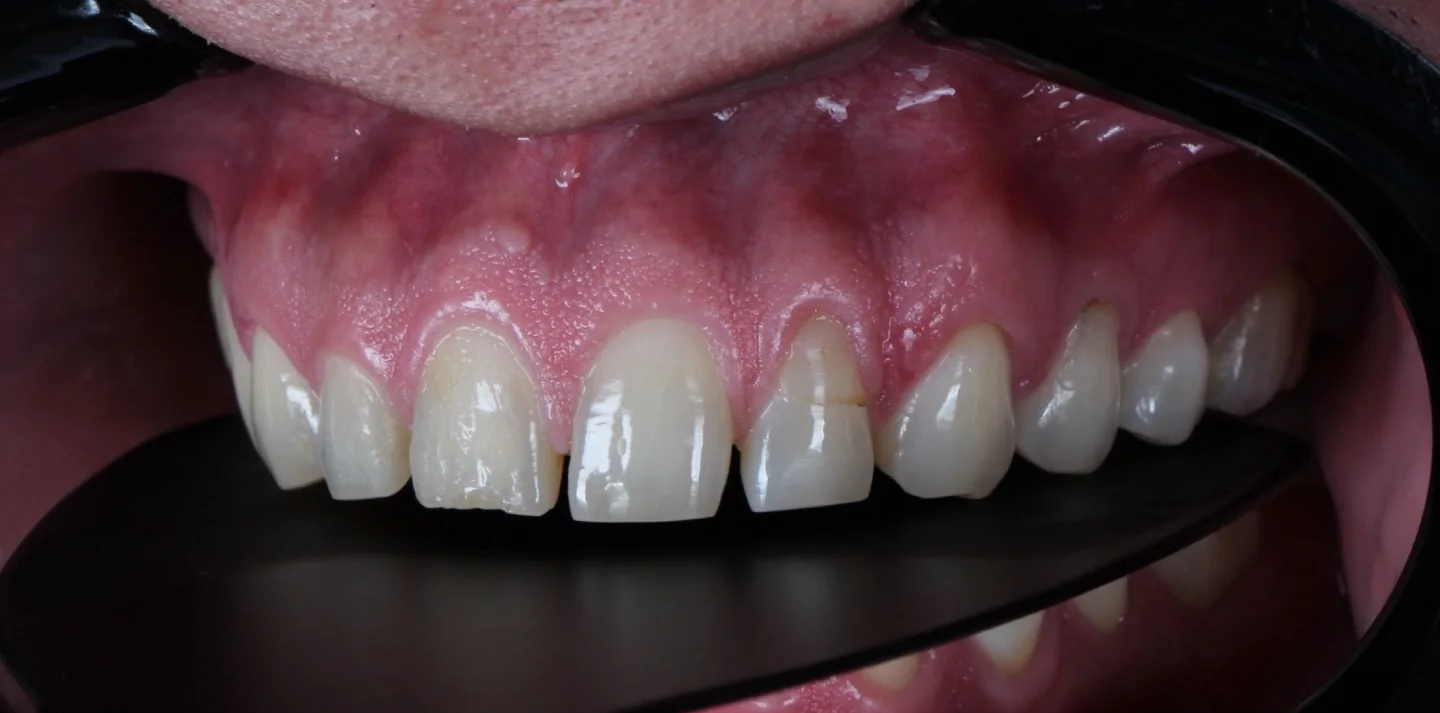
Drag to compare before and after. View all cases.
01 / 01
The gum contour changes the proportion of every tooth.
Drag the line · or use the ← → arrow keys
Images of real patients, published with their consent. Results vary from case to case.
Investment
The exact amount is given in writing after your assessment, with everything it includes.
It is done with local anesthesia. Afterwards there may be mild discomfort for the first days, managed with the instructions we give you.
When the case is well indicated, the result is stable. We check it at your follow-ups.
No. Some originate in the lip or the bone and need a different approach. That is why the first step is the diagnosis.
Once the gum has healed. The exact timing is set at your check-up.
 Cómo cuidar tus carillas para que duren muchos añosUn diseño de sonrisa es una inversión. Estos hábitos sencillos son los que marcan la diferencia entre un resultado que dura y uno que hay que repetir.
 Bruxismo y carillas: por qué necesitas una placaApretar o rechinar los dientes puede fracturar esmalte, resina y porcelana. Qué es una placa miorrelajante, en qué se diferencia de una de acetato y cuál te sirve.
 Cordales: recuperación día a día después de la cirugíaQué es normal y qué no después de la extracción de las muelas del juicio. Una guía por días para recuperarte sin complicaciones.