


Frequently asked questions
Questions, answered.
What almost everyone asks before their first visit. Clear answers, no fine print.
Cost and payments
It depends on the material (porcelain or composite), the number of teeth and your case. At your assessment we give you an exact quote, with everything it includes and no surprises.
Yes. When you receive your treatment plan we explain the payment options available and whether your case can be done in stages.
The treatment
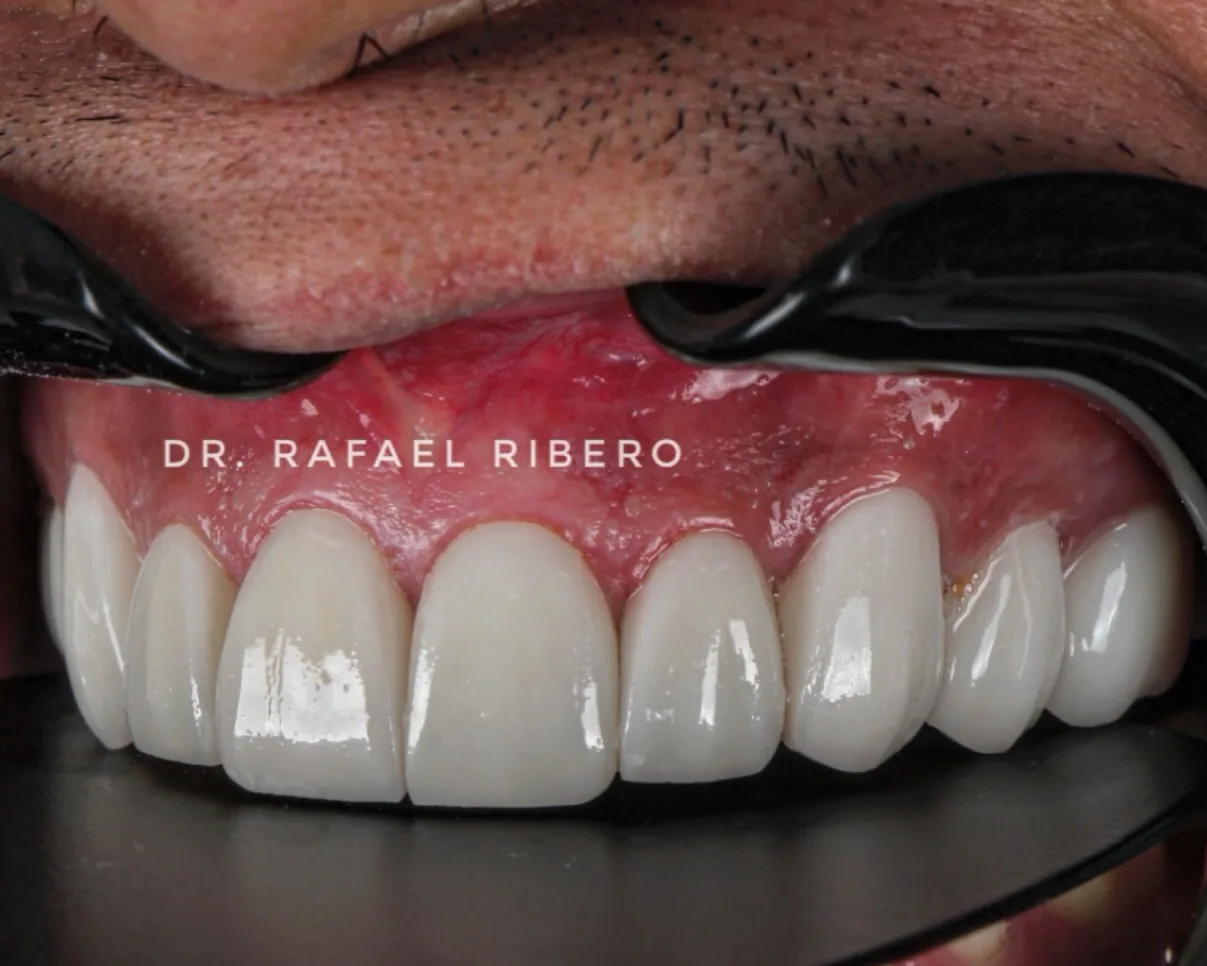
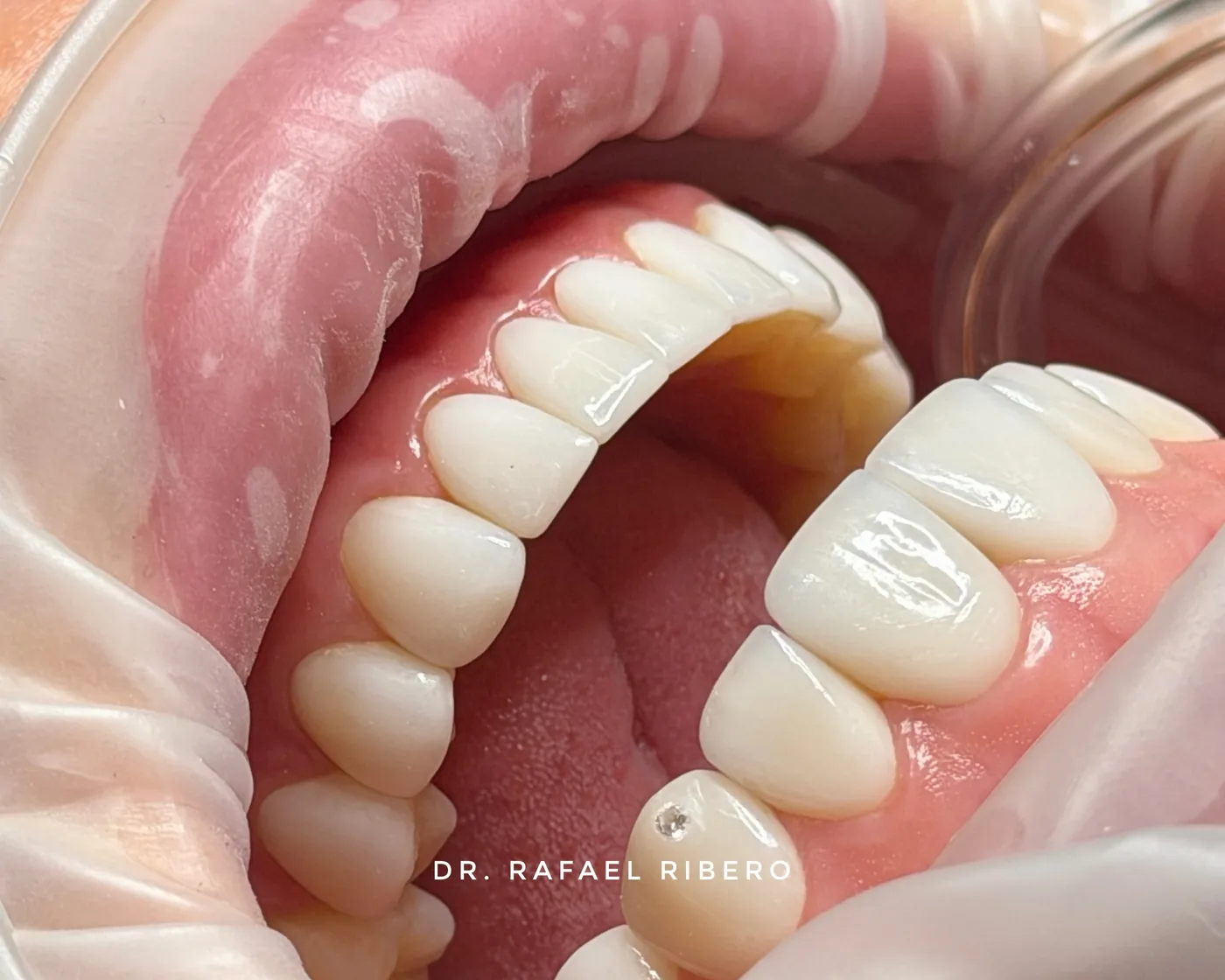
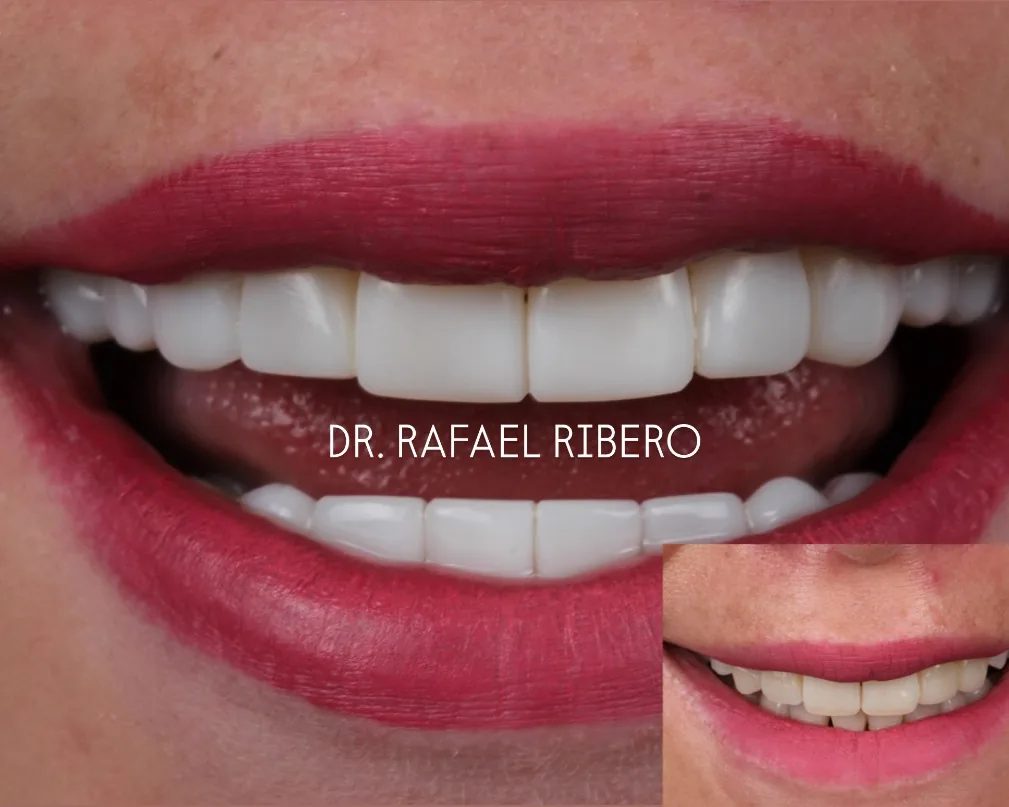
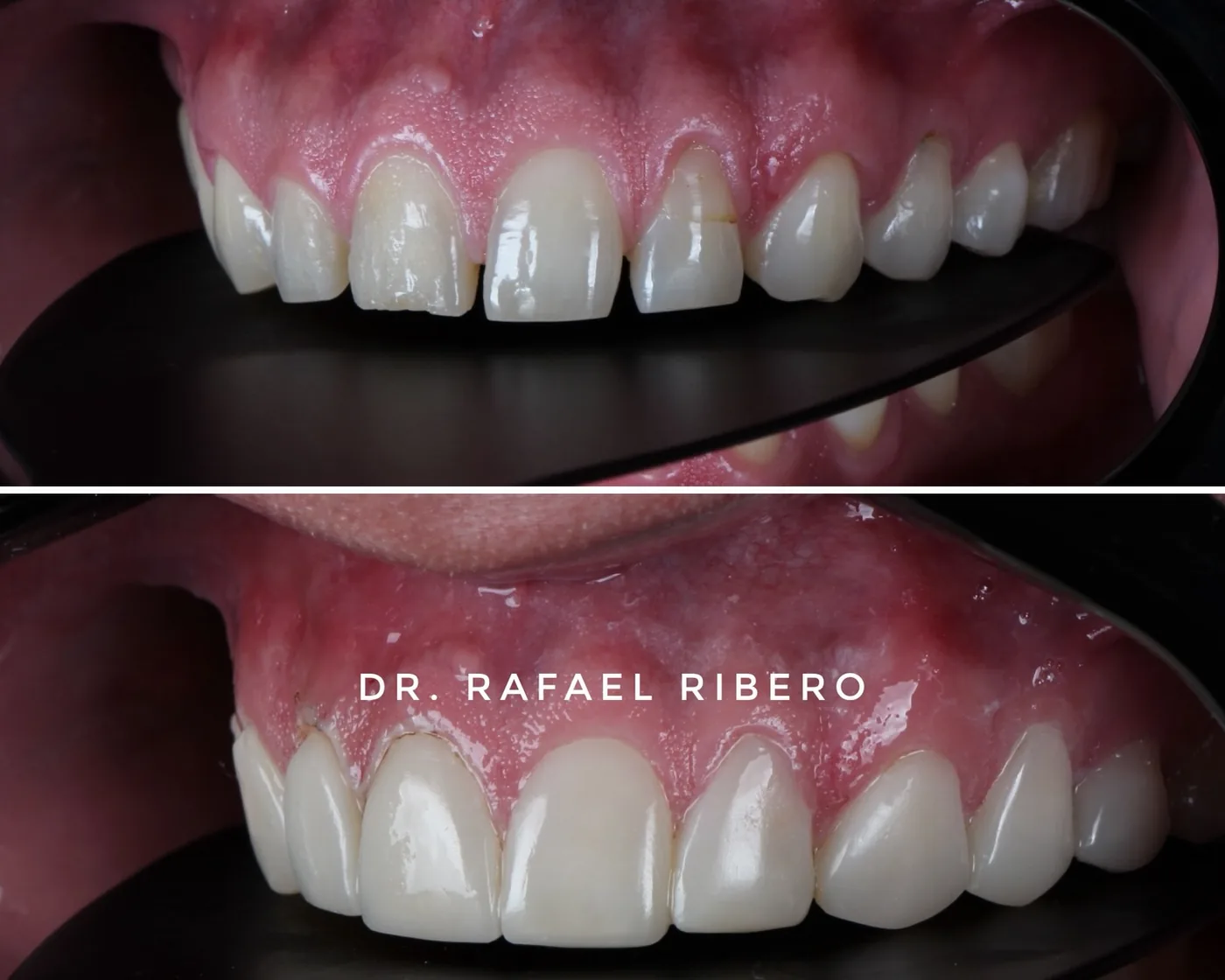
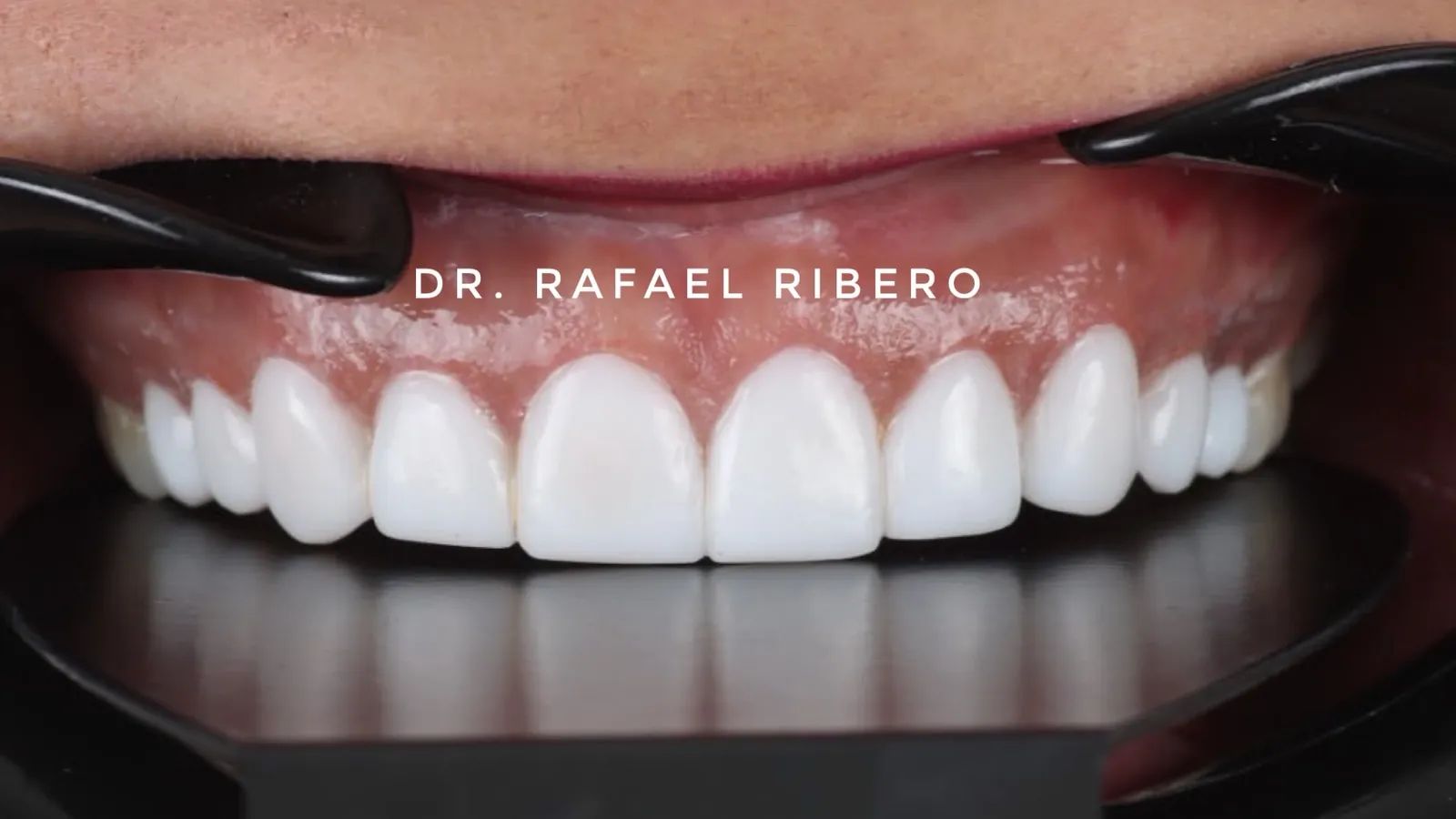
Yes, if that is what you want. You choose the color and the shape. Some patients ask for a natural white and others for a brighter style. We design for your face and you try it before deciding.
The procedure is done with local anesthesia and protocols designed for your comfort. Some sensitivity in the first days is normal; we explain how to manage it.
It depends on the case. Some designs need minimal preparation and others none. Digital planning lets us prepare only what the design needs. We explain it before we start.
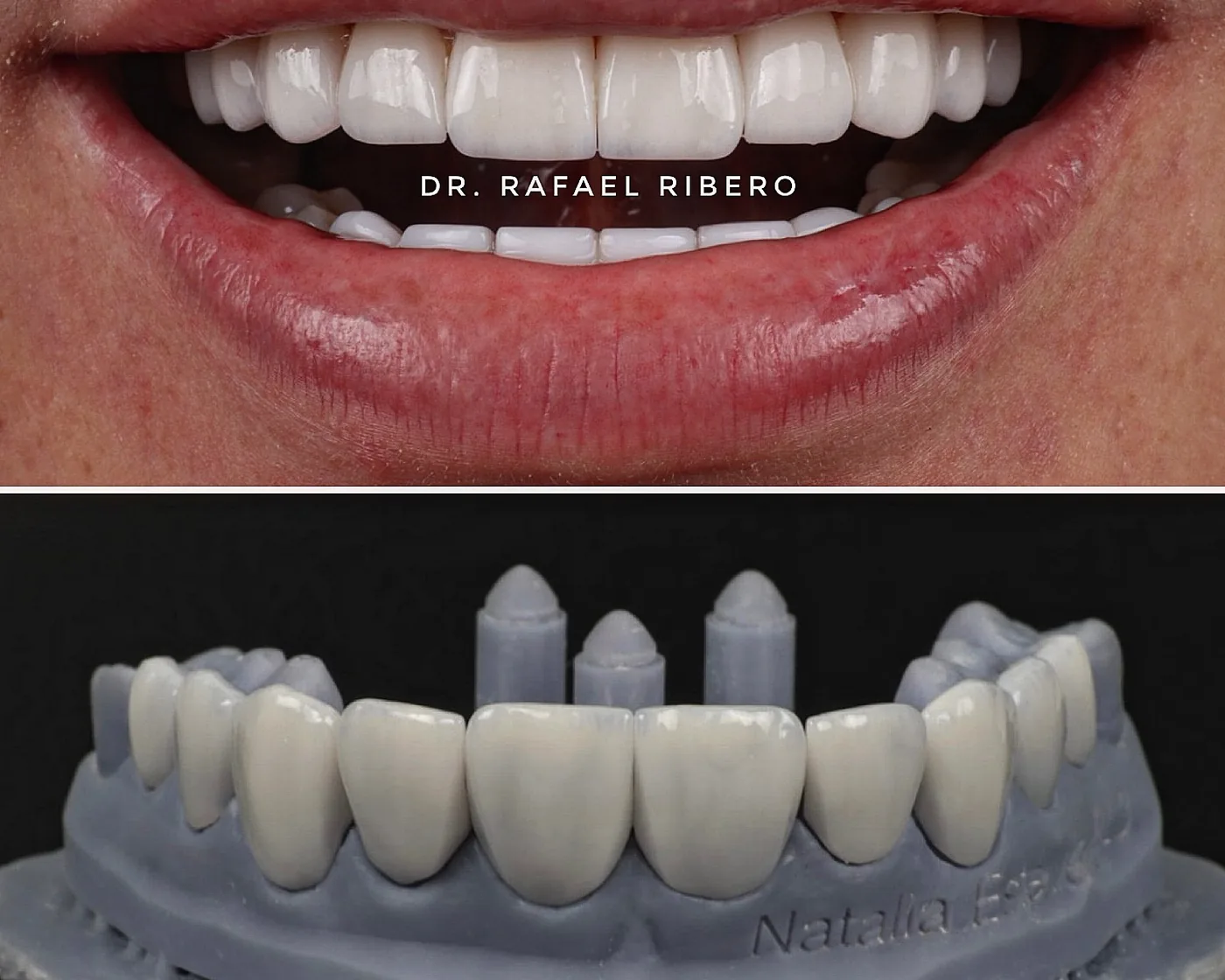
With composite, some changes are completed in a single session. Porcelain needs lab work and several visits. The exact timing is set at your assessment.
Care and durability
With good hygiene, regular check-ups and a night guard if you clench your teeth, a design can last many years. How long depends on the material and your habits.
The technique and the way they are fixed depend on your case and are explained at your assessment. It must be done by a dentist, on a healthy mouth and with maintenance check-ups.
Patients from abroad
Message us on WhatsApp with photos of your smile. We give you an initial orientation and a plan, and book your appointments back to back around your travel dates.
It depends on the material and the number of teeth. A composite design can be done in a few days; a porcelain one needs more time for the lab. We give you the schedule before you buy your ticket.
Smile design
View treatmentIt depends on the material, the number of teeth and your starting point. After your assessment you receive a written quote with everything it includes.
The ones that show when you smile. Some cases involve 6, 8 or 10 upper teeth and full cases involve 20. It is decided by looking at your smile.
It depends on the case. Digital planning lets us prepare only what is needed, and some designs need no reduction. We explain it before we start.
With good hygiene, check-ups and a night guard if you clench your teeth, a design can last many years. Porcelain is the material that best stands the test of time.
That is what the try-in is for: you see and adjust the design before it is final.
Diamonds
View treatmentThe technique and the way they are fixed depend on your case and are explained at your assessment. What matters is that a dentist does it, on a healthy mouth and with check-ups.
In many cases, yes. We check the material and condition of your design to confirm.
With your normal hygiene, a soft brush and floss. Avoid biting hard objects with that area and keep your check-ups.
We discuss that at your assessment, because it depends on the technique used in your case.
Facial harmonization
View treatmentThat is not the goal. We work with conservative doses to soften without losing expression, and we review the result at a check-up.
No. The fat that is removed does not come back, which is why it is only recommended when your anatomy calls for it and after a full assessment.
Every procedure has risks, such as swelling, asymmetry or results different from what you expected. We explain them in detail in the informed consent.
The effect is temporary and varies from person to person. At your check-up we decide when it makes sense to repeat it.
Yes. We recommend doing the design first and assessing the face once the smile is finished.
Implants and rehabilitation
View treatmentIt depends on your case and on healing times. At your assessment you receive a schedule with each stage.
In most cases temporary prostheses are used while the final one is made.
We work with ceramic in the color of your teeth so it blends with your smile.
Not always. It depends on the bone available and on your general health. That is why the first step is a diagnosis with X-rays.
Gum contouring
View treatmentIt is done with local anesthesia. Afterwards there may be mild discomfort for the first days, managed with the instructions we give you.
When the case is well indicated, the result is stable. We check it at your follow-ups.
No. Some originate in the lip or the bone and need a different approach. That is why the first step is the diagnosis.
Once the gum has healed. The exact timing is set at your check-up.